Loose Fit Hoodie Manufacturing Guide – Oversized Streetwear Trends
The oversized hoodie is no longer just a comfort piece — it has become a defining silhouette in contemporary streetwear. From Fear of God's signature drop-shoulder cuts to Balenciaga's exaggerated proportions, the loose fit hoodie commands premium pricing and unwavering consumer demand. For apparel brands and private label entrepreneurs, understanding how to manufacture a high-quality loose fit hoodie is the difference between a product that sits on shelves and one that builds a cult following.
At Ytscasual, we have spent years refining the art of oversized hoodie production — working with emerging streetwear labels and established brands alike to bring their vision from sketch to shelf. This guide distills that experience into a practical roadmap covering every critical stage: from fabric selection and pattern grading to production MOQs and quality control. By the end, you will know exactly what it takes to bring an oversized streetwear hoodie to market with confidence.
1. What Defines a Loose Fit Hoodie? Key Measurements & Silhouette
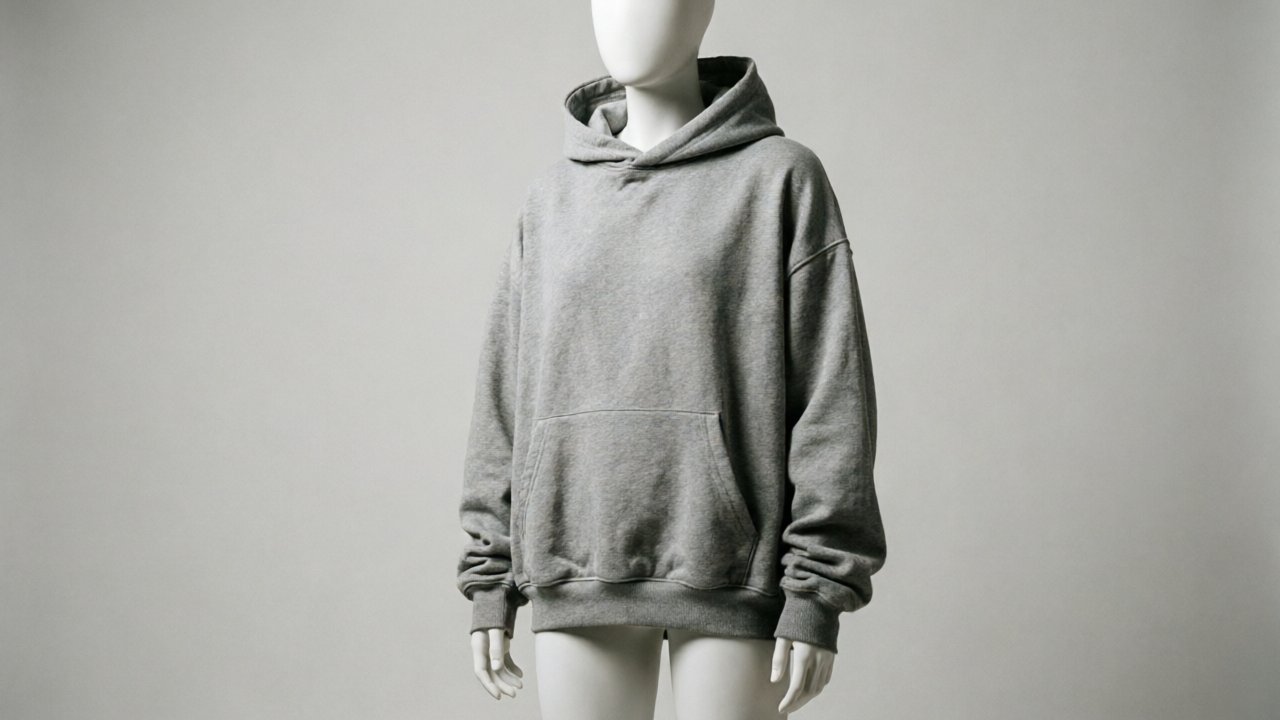
A loose fit hoodie is not simply a regular hoodie in a larger size. The entire pattern architecture differs, and understanding these differences is essential before you brief a manufacturer.
Regular Fit Hoodie
- Chest: Body measurement + 4–6 inches ease
- Shoulder: Sits at natural shoulder line
- Sleeve: Standard set-in sleeve
- Body length: Hip level
- Hem: Fitted rib or straight cut
Oversized / Loose Fit Hoodie
- Chest: Body measurement + 10–16 inches ease
- Shoulder: Dropped 2–4 inches below natural line
- Sleeve: Dropped shoulder or raglan construction
- Body length: Below hip, often cropped or extended
- Hem: Relaxed rib, raw edge, or exaggerated cuff
2. Fabric Selection: The Foundation of a Premium Oversized Hoodie
Fabric weight, composition, and finish directly determine how an oversized hoodie drapes, feels, and wears over time. Here are the most sought-after options in today's market:
| Fabric Type | Weight (GSM) | Best For | Price Tier |
|---|---|---|---|
| Brushed Back Cotton Fleece | 380–460 GSM | Premium streetwear, heavy drape | $$$ |
| French Terry (Loopback) | 320–400 GSM | Mid-weight, structured silhouette | $$ |
| Cotton-Polyester Blend Fleece | 280–360 GSM | Budget-friendly, durable | $ |
| Heavyweight Jersey | 340–440 GSM | Clean look, minimal texture | $$ |
| Organic Cotton Terry | 350–420 GSM | Sustainable brands, soft hand feel | $$$ |
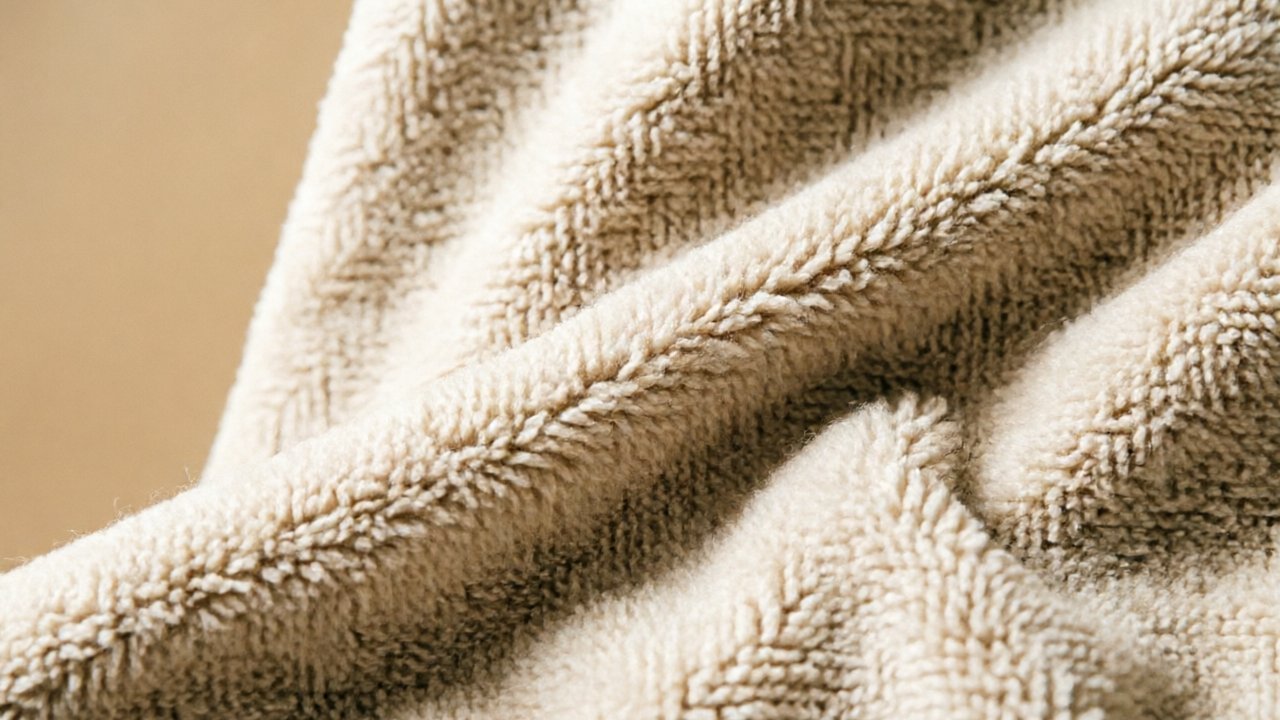
The current streetwear trend leans heavily toward 400+ GSM brushed cotton fleece. At this weight, the hoodie holds its oversized shape with a substantial, structured drape that photographs well and commands higher retail pricing. If your budget allows, this is the sweet spot for a premium positioning.
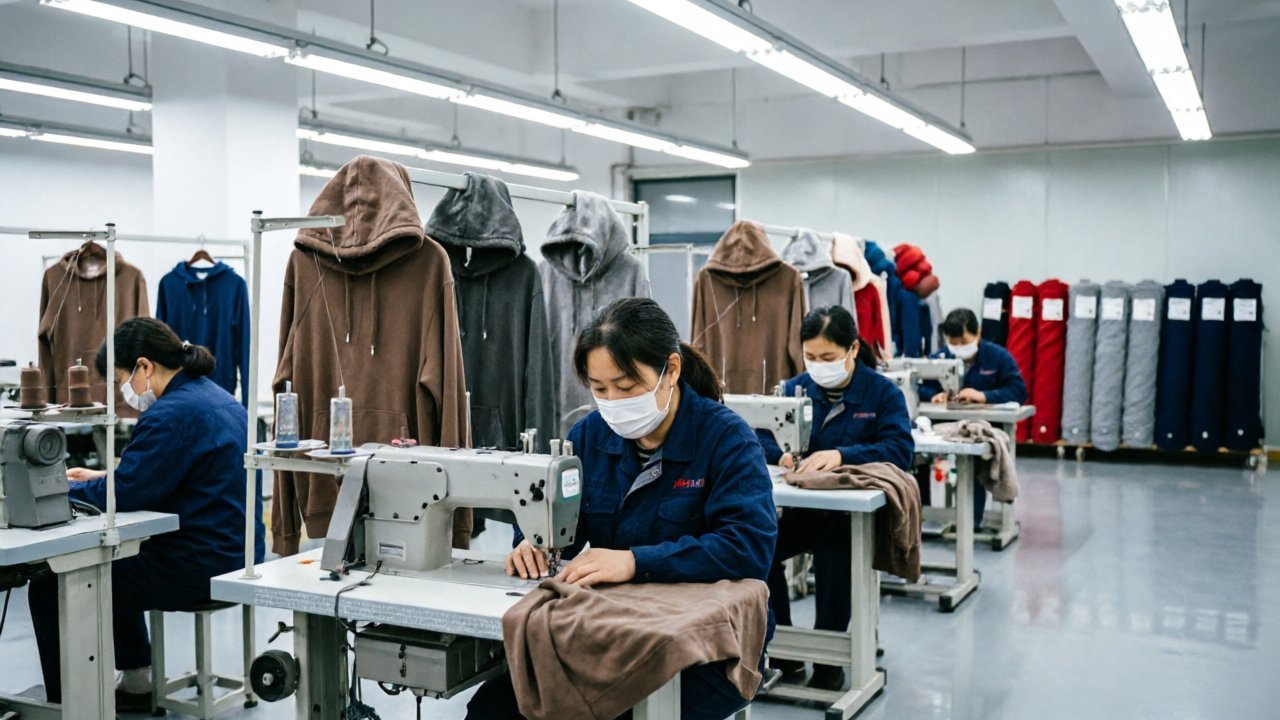
3. The Manufacturing Process: From Tech Pack to Finished Garment
Manufacturing a loose fit hoodie involves several distinct stages. Understanding this workflow helps you communicate effectively with your factory and catch issues before they become costly mistakes.
Tech Pack & Pattern Development
Your tech pack must include graded measurements for every size, stitch types, seam allowances, and detailed construction notes. For oversized hoodies, pay special attention to the shoulder slope angle and armhole depth — these are where most pattern errors occur. A complete tech pack reduces sampling rounds from 3–4 to 1–2.
Fabric Sourcing & Cutting
The factory sources your specified fabric and conducts an initial inspection for color consistency, weight (GSM verification), and defects. Oversized patterns consume 25–40% more fabric than regular fit, so accurate cutting and marker efficiency are critical for cost control. Expect wastage rates of 5–8% for complex oversized cuts.
Sewing & Assembly
Key construction points include: double-needle coverstitch on the neckline and hem for durability, reinforced shoulder seams (stress points on oversized garments), and a properly structured hood — a double-layer hood with interlining maintains shape and prevents flop. The kangaroo pocket must be precisely aligned and reinforced at entry points.
Washing, Finishing & Quality Control
Most premium hoodies undergo a garment wash — enzyme wash for softness, silicone wash for a slick hand feel, or bio-wash for eco-friendly finishing. Post-wash QC checks include: shrinkage verification (must stay within 3%), stitch integrity, color fastness, and measurement tolerance against the approved spec sheet.
Ytscasual's manufacturing workflow follows this exact four-stage process, with an added layer of in-line QC at every step. Each production run is assigned a dedicated project manager who oversees the tech pack review, fabric inspection, sewing line monitoring, and final AQL 2.5 inspection — so you never have to chase updates or wonder where your order stands.

4. Design Elements That Define 2026 Oversized Streetwear
Beyond the basic pattern, specific design details separate a generic oversized hoodie from a streetwear statement piece. Here is what is driving the current trend cycle:
Drop-Shoulder Construction
The defining feature of oversized streetwear. A 2–4 inch shoulder drop creates the relaxed silhouette. Combined with a wider sleeve, it produces that effortless, nonchalant drape.
Oversized Hood with Structure
A hood that is 15–20% larger than standard, double-layered with interlining. It should stand on its own without collapsing, framing the face with intentional volume.
Extended or Cropped Body
Two dominant silhouettes: the elongated cut (hitting mid-thigh) and the boxy crop (hitting at waistline). Both work — consistency across your collection is what matters.
Garment-Dye & Specialty Washes
Pigment dye, acid wash, and mineral wash finishes add depth and uniqueness. Garment-dyed pieces also develop character over time, which resonates with streetwear consumers.
Heavyweight Rib & Finishing
Thick, structured ribbing at cuffs and hem — ideally 2x2 or 1x1 rib with spandex content for recovery. A loose, saggy hem ruins the premium feel instantly.
Branding Placement & Hardware
Subtle embroidery, woven labels, and premium drawcord tips with metal aglets. Oversized hoodies benefit from minimal, high-quality branding rather than loud graphics.
5. MOQ, Pricing & Production Timeline
Understanding the numbers upfront prevents painful surprises later. Here is what you can realistically expect when manufacturing loose fit hoodies:
For a first collection of 3 colorways at 100 pieces each, expect a total investment of approximately $4,000–$8,500 FOB (sampling, production, excluding shipping). This positions your retail price comfortably at $65–$120 per hoodie with healthy margins.
6. Common Manufacturing Pitfalls & How to Avoid Them
Having worked with dozens of hoodie production runs at Ytscasual, these are the recurring issues we see brands encounter — and how to prevent them:
Shrinkage Miscalculation
Oversized hoodies involve more fabric surface area, so shrinkage is magnified. Always specify pre-shrunk fabric or factor 5% shrinkage into the pattern. Verify with a wash test on the first sample.
Inconsistent Shoulder Drop Across Sizes
The shoulder drop must grade proportionally. A 3-inch drop on size S should not become a 2-inch drop on size XL. Demand a graded measurement chart showing shoulder drop at every size.
Hood Collapse After Wash
Without proper interlining or insufficient fabric weight, the oversized hood loses structure after the first wash. Specify 2-layer construction with fusible interlining and test-wash a pre-production sample.
Pocket Misalignment
On oversized garments, the kangaroo pocket must scale with the body width. A pocket designed for a regular fit looks disproportionately small on an oversized hoodie. Specify pocket dimensions as a percentage of body width.
7. FAQ: Loose Fit Hoodie Manufacturing
What is the ideal GSM for an oversized streetwear hoodie?
380–460 GSM brushed cotton fleece is the gold standard. At this weight, the hoodie holds its oversized shape with a heavy, premium drape. Brands aiming for the Fear of God / Represent aesthetic should target 420 GSM minimum.
Can I produce oversized hoodies with a low MOQ?
Yes. Many manufacturers now offer MOQs as low as 30–50 pieces per design, though expect a 15–25% surcharge. At Ytscasual, we support MOQs starting at 50 pieces per design without sacrificing quality — a sweet spot for brands testing new silhouettes. For the most competitive pricing, aim for 100+ pieces per color. If you are just testing the market, consider starting with 2 colorways at 50 pieces each to manage risk.
How much fabric does an oversized hoodie consume compared to a regular fit?
Typically 25–40% more fabric. An oversized hoodie with a 14-inch chest ease, dropped shoulders, and an oversized hood can consume 1.8–2.1 meters of fabric versus 1.3–1.5 meters for a regular fit. This directly impacts your unit cost.
Should I use a pre-made blank or custom cut-and-sew?
For a truly differentiated oversized silhouette, custom cut-and-sew is the way to go. Pre-made blanks follow standardized patterns that rarely achieve the intentional shoulder drop and body proportions that streetwear consumers expect. Custom manufacturing gives you full control over every measurement.
What certifications should I require from my manufacturer?
At minimum: OEKO-TEX Standard 100 (fabric safety), GOTS if using organic cotton, and BSCI or SEDEX for ethical manufacturing. For brands selling into the EU or North America, REACH compliance is also essential. Always request current certificates — not expired ones.
Bring Your Oversized Hoodie to Life with Ytscasual
The loose fit hoodie represents one of the most accessible and profitable entry points into streetwear manufacturing. With the right fabric, pattern, and production partner, you can create a product that competes on quality with brands charging 5x your production cost.
The key is preparation: a detailed tech pack, clear communication with your factory, and a willingness to invest in proper sampling. Get those three things right, and the rest follows.
Ytscasual is a full-service custom apparel manufacturer specializing in oversized streetwear, cut-and-sew hoodies, and premium casual wear. From tech pack development to final QC, our team handles every detail so you can focus on building your brand.