Embroidered Hoodies: Custom Logo Embroidery Guide for Brands
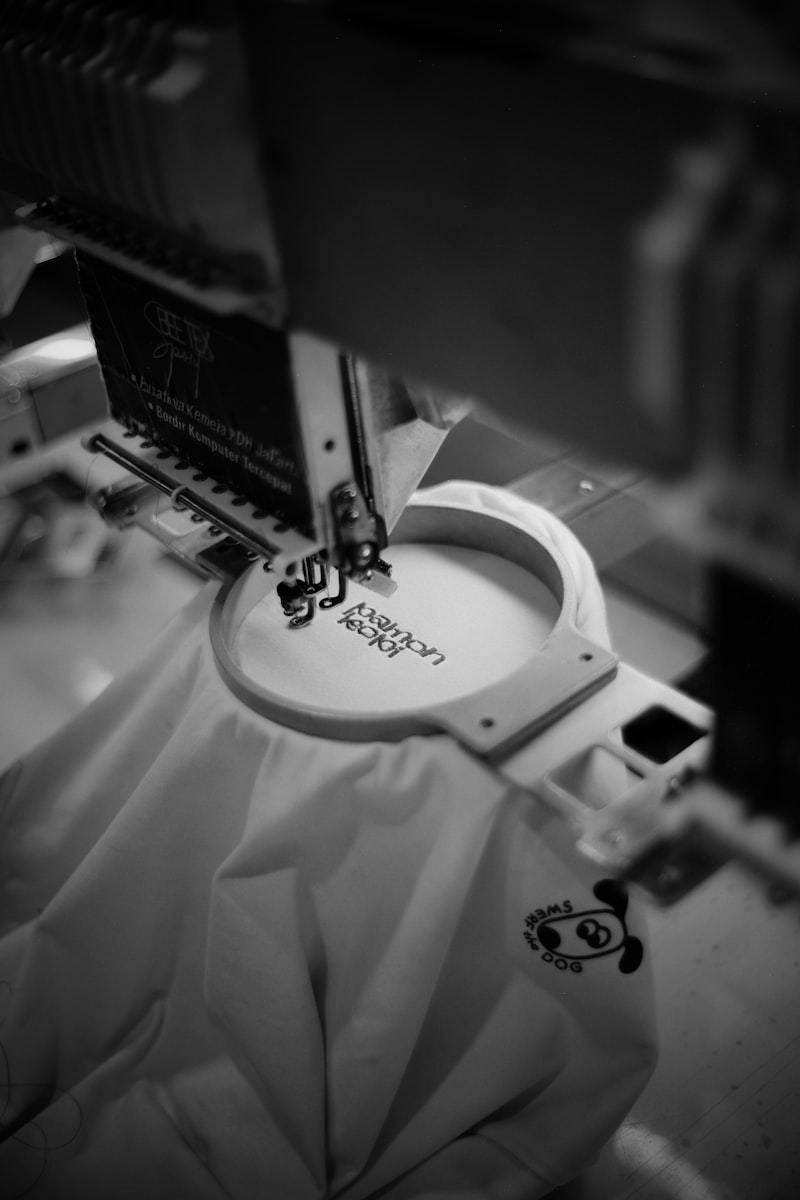
When a brand wants its logo to feel permanent, premium, and unmistakably professional, embroidery is the answer. Unlike heat transfers or screen prints that fade and crack over time, embroidered thread is woven directly into the fabric — creating a raised, textured finish that signals quality at first glance. For streetwear labels, corporate uniforms, university merchandise, and promotional teams alike, custom embroidered hoodies have become a cornerstone product. At Ytscasual, we have spent years perfecting the embroidery workflow for bulk hoodie orders, and this guide distills everything brands need to know before placing their first production run. Embroidery offers a distinct set of advantages that make it the preferred decoration method for brand-essential apparel. Here is why brands consistently choose embroidered hoodies over printed alternatives: Embroidered thread bonds physically with the fabric fibers. A well-stitched logo survives hundreds of wash cycles without peeling, cracking, or fading — something no screen print or heat transfer can guarantee. The raised texture and glossy thread finish immediately communicate quality. Customers associate embroidery with high-end brands, which elevates the retail price point of your hoodies. Every embroidered piece looks identical. Thread colors are mixed at the manufacturing level, so batch-to-batch color variation is minimal — critical for brands ordering across multiple production runs. Embroidered hoodies require no special washing instructions beyond normal care. The stitching holds its shape and color through regular machine washing, making them ideal for everyday team wear. Understanding the embroidery process helps brands set realistic expectations for turnaround time, design complexity, and cost. The workflow at Ytscasual follows five core stages: Your vector logo file (AI, EPS, or SVG) is converted into an embroidery-specific file format — typically DST or PES. This digitizing step maps every stitch path, stitch type, and thread color change. Complex logos may require 10,000 to 50,000 individual stitches. Thread colors are matched to your brand palette using standardized color systems like Madeira or Robison-Anton. We cross-reference Pantone codes to ensure the thread matches your logo across all materials. Each hoodie is hooped with a stabilizer backing that prevents fabric stretching during stitching. The backing type — tear-away, cut-away, or wash-away — is selected based on hoodie fabric weight and logo density. Industrial multi-head embroidery machines stitch the digitized design onto each hoodie. A single 15-head machine can produce 15 panels simultaneously, making bulk orders efficient. Every embroidered hoodie is inspected for thread tension, color accuracy, stitch coverage, and alignment. Loose threads are trimmed, and stabilizer excess is removed before packing. Not every logo design translates well to embroidery. Unlike print, where gradients and fine details reproduce perfectly, embroidery has physical constraints. Here are the design principles brands should follow: The smallest text element in an embroidered logo should be at least 0.25 inches (6mm) tall. Text smaller than this becomes illegible because each letter requires multiple stitches to form. Embroidery thread cannot reproduce smooth gradients. If your logo uses color transitions, work with your Ytscasual design team to convert gradients into solid color blocks or two-tone thread blends that approximate the effect. Every stitch adds to production time and cost. A logo with 8,000 stitches costs less to produce than one with 30,000 stitches. Simplify fine lines, remove unnecessary detail, and focus on the core visual elements that define your brand. Submit your logo as a vector file (AI, EPS, or SVG) whenever possible. Raster images (JPG, PNG) can work but require re-tracing, which may introduce subtle inaccuracies in the final embroidery path. Each thread color requires a separate needle and thread change on the machine. Most industrial machines handle up to 15 colors per design, but keeping your logo to 4 to 6 colors balances visual richness with production efficiency. The hoodie itself plays a critical role in how your embroidery looks and lasts. Fabric composition, weight, and color all affect stitch quality. Ytscasual offers several hoodie options optimized for embroidery: For brands ordering embroidered hoodies for the first time, we recommend starting with a 350 gsm 100% cotton fleece. The dense fabric provides the best stitch definition and durability, ensuring your logo looks sharp from day one through hundreds of washes. Where you place your embroidered logo on a hoodie affects visibility, perceived quality, and production feasibility. These are the standard placements Ytscasual recommends for brand hoodies: The most classic and versatile placement. Logo sits approximately 7–8 inches below the left shoulder seam, centered on the chest. Recommended size: 3 to 4 inches wide. For bold brand statements. The logo is centered on the chest area, 5 to 6 inches below the collar. Recommended size: 8 to 12 inches wide. Best for simpler designs with fewer stitch colors. A subtle branding option popular in streetwear. The logo sits on the upper sleeve, 2 inches below the shoulder seam. Recommended size: 2 to 3 inches wide. A small logo or brand name embroidered just below the back collar. Recommended size: 1.5 to 2.5 inches wide. Often paired with a left-chest logo for a two-location design. Large-format embroidery across the upper back. Recommended size: 10 to 14 inches wide. Requires a heavyweight hoodie to support the stitch density without puckering. An insider branding detail — the logo is embroidered on the inside of the hood. Recommended for premium or limited-edition drops where the unboxing reveal matters. Thread selection directly impacts how your logo looks on the finished hoodie. Two factors matter most: thread color accuracy and stitch type. At Ytscasual, we use color-matched thread systems, both of which offer over 400 solid colors. When you provide Pantone color codes, we cross-reference them against thread color charts to find the closest match. For brands with strict color guidelines, we can produce a physical thread swatch sample for approval before bulk production begins. Not all stitches are the same. Different parts of your logo may use different stitch techniques to achieve the best visual result: Ytscasual has built a specialized embroidery production pipeline designed for brand bulk orders. Whether you need 50 hoodies for a boutique launch or 5,000 for a corporate rollout, the process is engineered for consistency and speed. Before any bulk order goes to production, Ytscasual creates a physical embroidery sample on your chosen hoodie fabric. This sample is photographed and shipped to you for approval. No bulk production begins until you confirm the stitch quality, color accuracy, and placement. Our facility operates 15-head and 12-head industrial embroidery machines, allowing us to run multiple designs and colorways simultaneously. A typical 500-piece embroidered hoodie order completes in 5 to 7 business days after sample approval. Every 50 pieces, a dedicated QC inspector checks thread tension, color consistency, stitch coverage, and logo alignment against the approved sample. Any piece that fails inspection is re-embroidered or replaced before it reaches packing. Embroidery cost per piece decreases as order volume increases. The digitizing fee (typically a one-time setup cost) is amortized across the full order. For brands planning recurring orders, Ytscasual stores your digitized file and thread color map, so reorders skip the setup stage entirely. Logo digitizing: 1–2 days | Sample production: 2–3 days | Bulk production (100 pcs): 3–5 days | Bulk production (500+ pcs): 5–7 days | Quality inspection and packing: 1–2 days Embroidered hoodies are low-maintenance, but a few care practices will keep the stitching looking fresh for years. Share these guidelines with your customers or team members: Turn the hoodie inside out before washing to protect the embroidered thread from friction against other garments. Use water at or below 40 degrees C (104 degrees F). Hot water can cause thread shrinkage and fabric distortion. Chlorine bleach degrades embroidery thread and can cause color bleeding. Use mild detergent only. Tumble dry on low or air dry. High heat from dryers can cause puckering around the embroidered area. If ironing is needed, turn the hoodie inside out and iron the reverse side of the embroidery. Never iron directly on the stitched surface. If a loose thread appears, trim it with scissors. Never pull a loose thread — it can unravel the surrounding stitches. The minimum order quantity for custom embroidered hoodies is 30 pieces per design. This threshold ensures efficient machine setup and competitive per-piece pricing. For orders below 30 pieces, we offer a small-batch option with a slightly higher per-piece cost. Digitizing fees range from $15 to $45 depending on logo complexity and stitch count. This is a one-time fee — once your logo is digitized, the file is stored for all future reorders at no additional setup cost. Yes. You can split your order across multiple placement options (for example, left chest on 200 hoodies and full front on 100 hoodies). Each placement variation requires its own digitized file if the design differs in size. Embroidery works on virtually all hoodie colors. Dark fabrics showcase lighter thread colors beautifully, while light fabrics make dark thread pop. For very dark hoodies with dark logos, we recommend adding a thin light-tone outline to ensure visibility. With proper care, an embroidered logo will outlast the hoodie fabric itself. The thread is colorfast and will not fade, peel, or crack. Most customers report that the embroidery still looks crisp after 200+ wash cycles. Custom embroidered hoodies represent one of the highest-value decoration options available to brands. The combination of durability, premium texture, and professional consistency makes embroidery the go-to choice for logos that need to last. Here is a quick summary of what to remember when planning your embroidered hoodie project with Ytscasual: Choose heavyweight cotton fleece (350+ gsm) for the best embroidery stitch definition and longevity. Simplify your logo for embroidery — limit colors to 4–6, avoid fine gradients, and keep minimum text size at 0.25 inches. Left chest placement at 3–4 inches wide is the safest and most versatile starting point for first-time orders. Always approve a physical embroidery sample before bulk production to verify color, size, and stitch quality. Store your digitized logo file with Ytscasual for fast, setup-free reorders on future production runs. Educate your end customers on proper care — wash inside out, cold water, no bleach, air dry — to maximize the lifespan of the embroidery. Ready to start your custom embroidered hoodie project? Contact Ytscasual today for a free quote, or browse our hoodie catalog to find the right base garment for your brand. Our team will guide you through logo digitizing, thread color matching, and sample production — ensuring every stitch represents your brand at its best.Why Embroidered Hoodies Are a Smart Investment for Brands
Durability That Outlasts Print
Premium Perceived Value
Professional Brand Consistency
Wash-and-Wear Simplicity
How Logo Embroidery Works: From Digital File to Stitched Thread
Logo Digitizing
Thread Color Matching
Hoop Setup and Stabilizer
Machine Embroidery
Quality Inspection and Finishing
Designing Your Logo for Embroidery: Key Considerations
Design Rule of Thumb
Simplify Complex Gradients
Mind the Stitch Count
Choose the Right File Format
Limit Color Count
Choosing the Right Hoodie for Embroidery
Fabric Type
Weight (gsm)
Embroidery Suitability
Best For
Heavyweight Cotton Fleece (100% Cotton)
350–400
Excellent — dense weave holds stitches firmly
Premium brand hoodies, corporate uniforms
Cotton/Poly Blend Fleece
280–340
Very Good — stable fabric, slight pilling risk
Streetwear, team merch, promotional wear
French Terry
240–280
Good — lighter weight, may need cut-away stabilizer
Spring/summer hoodies, fashion-forward brands
Triblend Fleece
300–360
Good — soft hand feel, use cut-away stabilizer
Lifestyle brands, premium casual wear
Embroidery Placement and Sizing Guide
Left Chest
Full Front
Right or Left Sleeve
Back Collar / Nape
Full Back
Hood Lining
Thread Colors and Stitch Types Explained
Thread Color Matching
Common Stitch Types
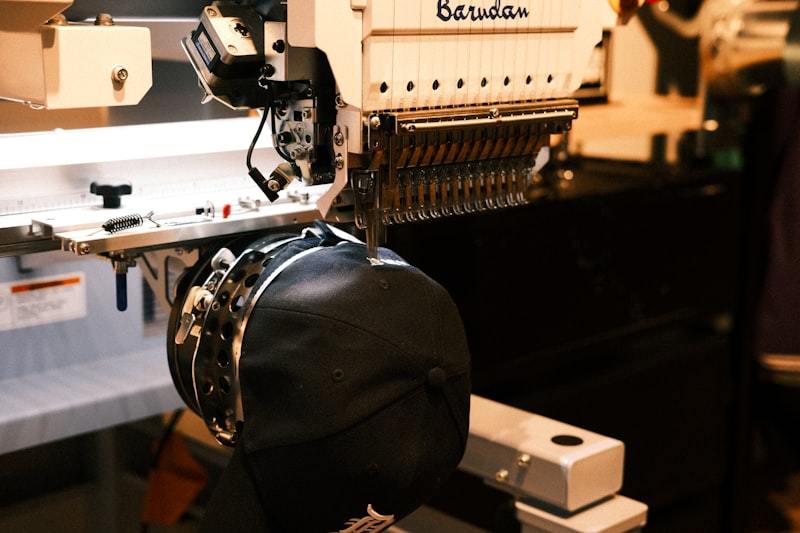
How Ytscasual Produces Premium Embroidered Hoodies at Scale
Pre-Production Sample Approval
Multi-Head Machine Capacity
In-Line Quality Control
Bulk Pricing Structure
Production Timeline at a Glance
Caring for Embroidered Hoodies: Maintenance Tips
Wash Inside Out
Cold or Warm Water
No Bleach
Air Dry or Low Heat
Iron from the Back
Trim, Do Not Pull
Frequently Asked Questions
What is the minimum order quantity for embroidered hoodies at Ytscasual?
How much does logo digitizing cost?
Can I use different logo placements on the same order?
Does embroidery work on all hoodie colors?
How long do embroidered hoodies last?
Key Takeaways