Crew Neck Sweatshirt Manufacturing: Fabric, Fit & Customization Guide
The crew neck sweatshirt is a wardrobe essential that has transcended decades, bridging the gap between athletic functionality and everyday fashion. For brands and retailers looking to source or manufacture crew neck sweatshirts, understanding the nuances of fabric selection, fit construction, and customization options is essential to delivering a product that customers love.
At Ytscasual, we have spent years perfecting the craft of sweatshirt manufacturing — working with emerging streetwear labels, corporate apparel programs, and sustainable basics brands alike. This guide distills that experience into a practical roadmap covering every critical stage: from fabric science and pattern construction to customization techniques and quality control.
1. Understanding Crew Neck Sweatshirt Fabrics
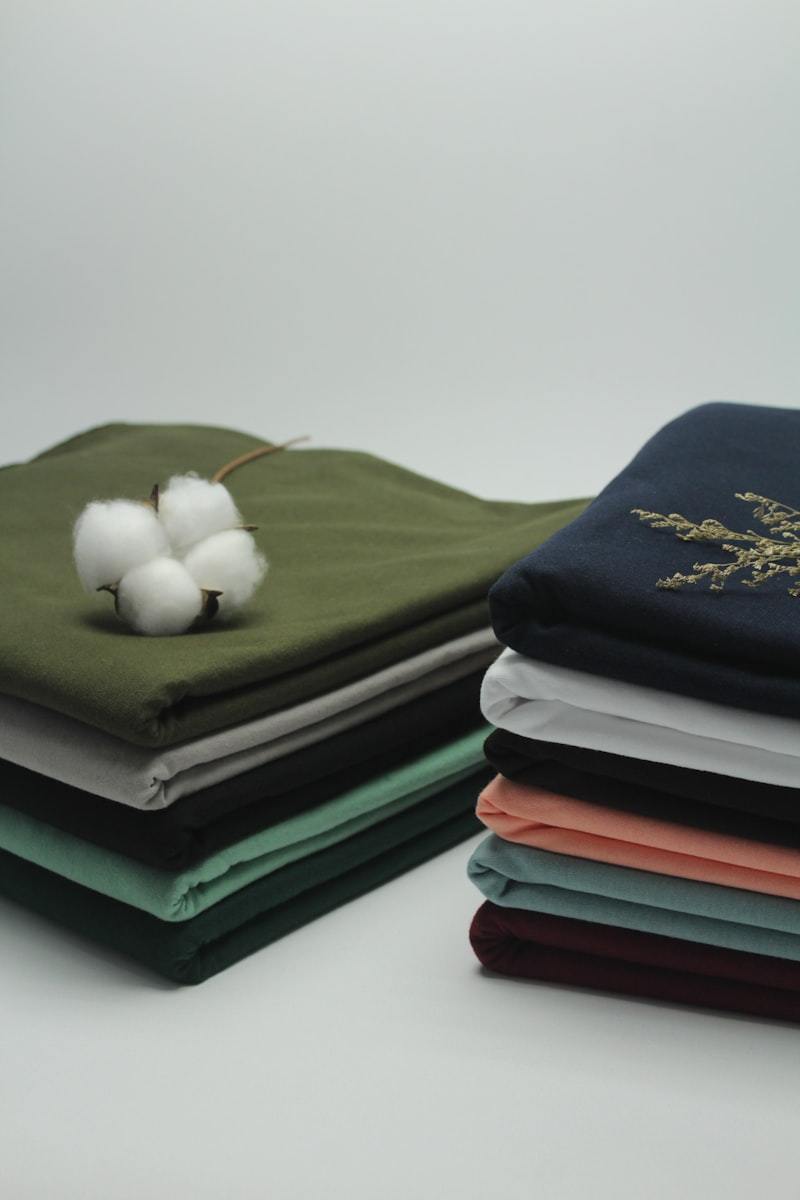
The fabric you choose defines not only the feel and durability of your sweatshirt but also its price point, sustainability profile, and target market appeal. Here is a breakdown of the most common fabric options used in crew neck sweatshirt manufacturing:
| Fabric Type | Composition | Weight (GSM) | Best For |
|---|---|---|---|
| French Terry | 100% Cotton or Cotton/Poly Blend | 240–320 | Mid-weight everyday wear |
| Brushed Fleece | Cotton/Polyester (80/20 or 50/50) | 300–400 | Winter and cold-weather lines |
| Heavyweight Fleece | 100% Cotton | 400–500 | Premium streetwear |
| Organic Cotton Fleece | 100% GOTS-Certified Organic Cotton | 300–380 | Eco-conscious brands |
| Recycled Poly Fleece | Recycled PET / Cotton Blend | 280–360 | Sustainable performance wear |
| Tri-Blend Fleece | Cotton / Polyester / Rayon | 260–320 | Soft-hand premium basics |
Yarn Count and Knitting Technique
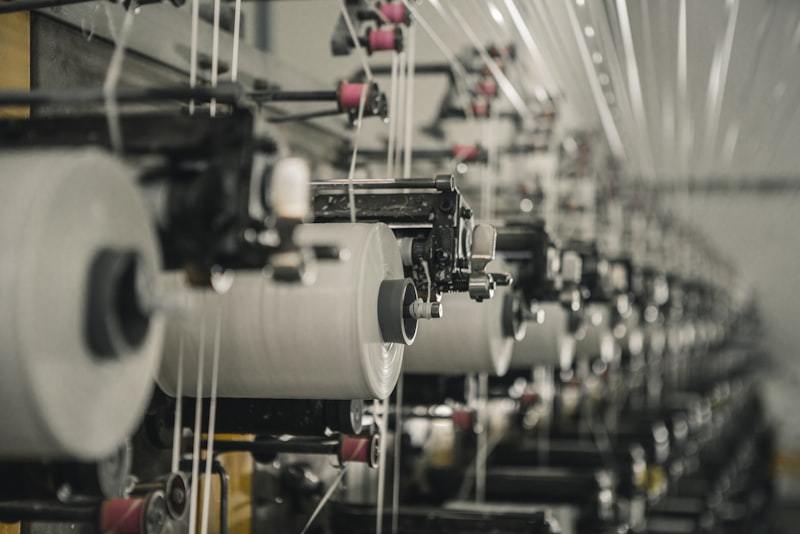
Beyond composition, the yarn count and knitting method significantly affect the final product. A finer yarn count (e.g., 20s–30s) produces a smoother, lighter fabric, while coarser yarns (10s–16s) yield a heavier, more textured surface. Most crew neck sweatshirts are knitted on circular knitting machines, which produce seamless tubes of fabric that minimize side-seam waste and improve comfort.
French terry — the most popular sweatshirt fabric — is produced using a specialized knitting technique that creates flat loops on the back side. These loops can be left as-is for a breathable mid-weight garment or brushed to create a soft, fuzzy fleece interior for added warmth.
2. Fit and Construction: Getting the Silhouette Right
A crew neck sweatshirt's fit is defined by several construction details that work together to create the final silhouette. Understanding these elements helps you communicate precisely with your manufacturer.
Regular Fit
- Classic straight-cut body
- Moderate ease (4–6 inches)
- Shoulder sits at natural line
- Safest choice for broad market
Oversized Fit
- Dropped shoulders, wider body
- Extended sleeves, relaxed drape
- Dominant in streetwear
- Requires heavier fabric (350+ GSM)
Cropped Fit
- Shorter body, above waist
- Popular in women's contemporary
- Often paired with oversized body
- Strong in activewear crossover
Slim Fit
- Tapered body, reduced ease
- Modern minimalist aesthetic
- Layering-friendly
- Requires precise pattern grading
Key Construction Details
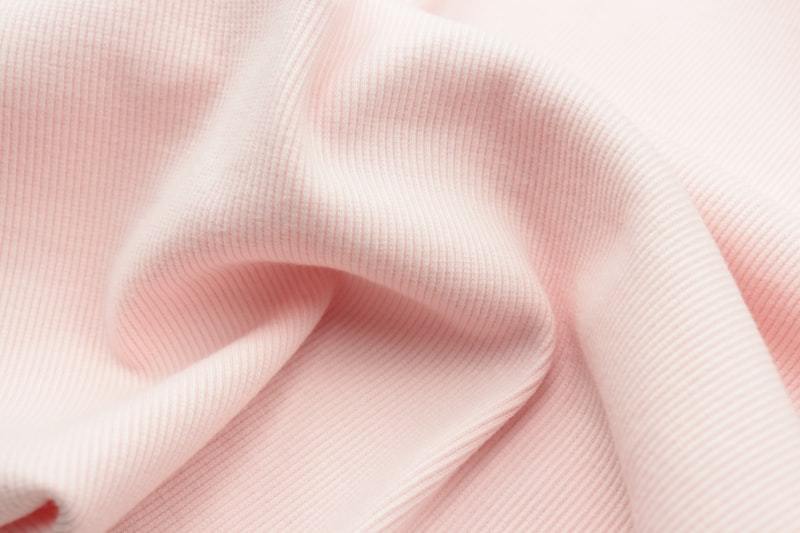
- Collar (Crew Neck Rib) The collar is typically constructed from 1x1 or 2x2 rib knit cotton, cut and sewn as a separate band and attached to the neckline. A well-constructed collar should lie flat, stretch comfortably over the head, and recover its shape after washing. At Ytscasual, we reinforce collar seams with chain stitching for durability.
- Shoulder Construction Set-in sleeves offer a more tailored, structured look, while raglan sleeves provide a sportier aesthetic and greater range of motion. Drop-shoulder construction — where the sleeve seam falls below the natural shoulder point — is the signature of oversized fits.
- Cuffs and Waistband Standard rib cuffs (2x2) provide stretch and shape retention. The waistband is usually matching rib knit, 1.5–3 inches wide. Ytscasual offers custom cuff widths and elastic insertion for brands requiring specific fit characteristics.
- Side Seams vs. Tubular Tubular body construction (no side seams) is cost-effective and comfortable but can twist after washing. Side-seam construction maintains shape better and allows for a more tailored fit — preferred for premium garments.
3. Customization Options for Brand Differentiation
Customization is where your crew neck sweatshirt becomes uniquely yours. From subtle branding to bold graphic statements, Ytscasual offers a full spectrum of customization services to help brands stand out in a competitive market.
Printing Techniques
| Technique | Best For | Durability | Cost Level |
|---|---|---|---|
| Screen Printing | Bold graphics, large runs | Excellent | Low (at volume) |
| Direct-to-Garment (DTG) | Photorealistic prints, small runs | Good | Medium |
| Dye Sublimation | All-over prints, polyester-rich fabrics | Excellent | Medium-High |
| Heat Transfer Vinyl (HTV) | Names, numbers, simple text | Good | Low |
| Water-Based and Discharge | Vintage-look prints on dark garments | Very Good | Medium-High |
Embroidery and Woven Labels
For a premium tactile finish, embroidery remains unmatched. Common applications include chest logos, sleeve patches, and back yoke designs. Ytscasual's embroidery department uses multi-head Tajima machines capable of producing intricate designs up to 15 colors with thread matching to your brand's exact Pantone references.
Woven labels — whether sewn-in neck labels, hem tags, or side-seam labels — add a professional finishing touch that elevates perceived value. We offer damask, satin, and taffeta woven labels, as well as printed satin options for softer hand-feel against skin.
Custom Neck Labels
Tear-away labels, woven branding, or printed care tags — fully customizable to your brand identity.
Garment Dyeing
Post-construction dyeing for unique vintage tones and color consistency across fabric and trims.
Custom Packaging
Poly bags, tissue wrap, hang tags, and custom mailers — complete the brand experience end-to-end.
Sustainable Finishes
Oeko-Tex certified dyes, biodegradable packaging, and GRS-certified recycled materials available.
4. The Manufacturing Process: From Concept to Delivery
At Ytscasual, we follow a streamlined yet rigorous manufacturing process designed to ensure quality at every stage. Here is an inside look at how your crew neck sweatshirt goes from concept to finished product:
- Design and Tech Pack Development Share your design files, sketches, or reference samples. Our team creates a detailed tech pack including measurements, fabric specs, construction notes, and labeling requirements. This document becomes the blueprint for the entire production run.
- Fabric Sourcing and Approval Based on your spec, we source fabric options from our network of certified mills. Lab-dip color matching and physical fabric swatches are sent for your approval before bulk ordering.
- Pattern Making and Sampling Our pattern engineers create production-grade patterns graded to your size range. A pre-production sample (PPS) is manufactured for your review — fit, fabric, construction, and branding are all verified at this stage.
- Bulk Cutting and Sewing Upon PPS approval, fabric is spread and cut using automated cutting machines for precision. Sewing lines are organized by construction type, with each operator specializing in specific operations.
- Printing and Embroidery Decoration is applied either before or after assembly, depending on the technique. Screen printing is typically done on flat panels pre-construction, while embroidery is applied to completed garments.
- Quality Control and Finishing Every garment passes through a multi-point QC inspection — checking measurements, seam integrity, print quality, and labeling accuracy. Approved pieces are pressed, folded, and packaged to your specifications.
- Packing and Shipping Final products are carton-packed with assortment sheets, ready for global shipping. Ytscasual handles export documentation and can arrange door-to-door logistics to most international destinations.
5. Sizing Standards and Quality Benchmarks
Consistent sizing is critical for brand reputation, especially when selling across multiple channels and markets. Ytscasual follows internationally recognized sizing standards while accommodating brand-specific measurement preferences:
| Size | Chest (in) | Body Length (in) | Sleeve Length (in) | Shoulder (in) |
|---|---|---|---|---|
| XS | 38–40 | 25 | 33 | 17 |
| S | 40–42 | 26 | 34 | 18 |
| M | 42–44 | 27 | 35 | 19 |
| L | 44–46 | 28 | 36 | 20 |
| XL | 46–48 | 29 | 37 | 21 |
| XXL | 48–50 | 30 | 38 | 22 |
Note: Measurements above are for a regular-fit crew neck sweatshirt. Oversized and slim fits will vary accordingly. Ytscasual provides custom size charts for each client based on their target fit and demographic.
Quality Benchmarks We Maintain
- Shrinkage: Within 5% after 3 industrial washes
- Torque: Less than 3% twisting after wash
- Seam Strength: Minimum 30N per ASTM D1683
- Color Fastness: Grade 4+ per AATCC Gray Scale
- Pilling Resistance: Grade 4+ per ASTM D3512
- AQL Inspection: 2.5 for major defects, 4.0 for minor defects
6. MOQ, Pricing and Production Timeline
Understanding MOQs and production timelines helps you plan your product launches effectively. At Ytscasual, we work with brands of all sizes — from startups placing their first order to established retailers running continuous programs:
| Service Level | MOQ (pcs) | Sampling | Bulk Production | Ideal For |
|---|---|---|---|---|
| Startup Program | 100–300 | 7–10 days | 20–30 days | New brands testing market |
| Standard Production | 500–1,000 | 5–7 days | 25–35 days | Growing brands with steady demand |
| Bulk / Scale Program | 2,000+ | 5–7 days | 30–45 days | Established retailers and wholesalers |
| Continuous Program | 5,000+/month | As needed | Ongoing | High-volume partnerships |
7. Sustainability in Sweatshirt Manufacturing
As consumer awareness grows, sustainability has shifted from a nice-to-have to a business imperative. Ytscasual is committed to responsible manufacturing practices across our supply chain:
Recycled Materials
GRS-certified recycled polyester and recycled cotton options for eco-friendly sweatshirt lines.
Organic Cotton
GOTS-certified organic cotton fleece, grown without synthetic pesticides or fertilizers.
Water Reduction
Low-water dyeing processes and water recycling systems that reduce consumption by up to 40%.
Certifications
BSCI, Sedex, and WRAP audited facilities ensuring ethical labor and environmental compliance.
Choosing sustainable materials does not mean compromising on quality. Our organic cotton and recycled fleece fabrics deliver the same softness, durability, and color richness as conventional options — with a significantly reduced environmental footprint. Ytscasual can help you build a fully traceable supply chain, from raw material origin to finished garment, supporting your brand's sustainability storytelling with verifiable data.
8. Common Manufacturing Pitfalls and How to Avoid Them
Having worked with dozens of sweatshirt production runs at Ytscasual, these are the recurring issues we see brands encounter — and how to prevent them:
- Inconsistent Fabric Shrinkage Problem: Sweatshirts shrink unevenly, distorting fit after washing. Solution: Pre-shrink fabric through compaction and sanforization before cutting. Ytscasual tests shrinkage on every fabric lot before production begins.
- Collar Distortion Problem: Crew neck collars wave or curl after washing. Solution: Use properly weighted rib knit with adequate recovery, and attach using a controlled-tension binding technique.
- Color Mismatch Across Trims Problem: Body fabric, rib collar, and thread do not match perfectly. Solution: Source all components from the same dye lots, or use garment dyeing for uniform color.
- Torque and Twisting Problem: Garment twists so side seams migrate to the front. Solution: Use side-seam construction instead of tubular, and ensure fabric is properly relaxed before cutting.
- Print Cracking and Fading Problem: Prints deteriorate after minimal washing. Solution: Match printing technique to fabric type and ink chemistry. Ytscasual's print team tests wash durability on every new design.
9. FAQ: Crew Neck Sweatshirt Manufacturing
What is the best fabric weight for a crew neck sweatshirt?
For year-round versatility, 280–340 GSM French terry is the sweet spot. If you are targeting premium streetwear or winter markets, 380–460 GSM brushed fleece provides the structure and warmth consumers expect. At Ytscasual, we recommend testing 2–3 fabric weights during sampling to find the best match for your brand positioning.
Can I produce crew neck sweatshirts with a low MOQ?
Yes. Ytscasual supports MOQs starting at 100 pieces per design — a sweet spot for brands testing new silhouettes. For the most competitive pricing, aim for 500+ pieces per color. If you are just testing the market, consider starting with 2 colorways at 100 pieces each to manage risk.
Should I choose side-seam or tubular construction?
For premium positioning, side-seam construction is strongly recommended. It maintains shape better after washing, allows for a more tailored fit, and signals higher quality to consumers. Tubular construction is acceptable for budget-friendly lines but may twist over time.
What customization options add the most perceived value?
Embroidered chest logos, woven hem tags, and custom neck labels consistently deliver the highest perceived value relative to cost. Garment dyeing and specialty washes also elevate a basic sweatshirt into a premium statement piece. Ytscasual offers all of these in-house.
What certifications should I require from my manufacturer?
At minimum: OEKO-TEX Standard 100 (fabric safety), GOTS if using organic cotton, and BSCI or SEDEX for ethical manufacturing. For brands selling into the EU or North America, REACH compliance is also essential. Ytscasual maintains all current certificates and provides them upon request.
Conclusion
The crew neck sweatshirt may be a classic, but manufacturing one that stands out requires attention to fabric science, construction precision, and thoughtful customization. By understanding the options available — from French terry weights to collar rib construction, from screen printing to garment dyeing — you can make informed decisions that elevate your product and strengthen your brand.
At Ytscasual, we believe great manufacturing is about more than producing garments — it is about building partnerships. Whether you are placing your first 100-piece order or scaling to tens of thousands per month, our team is committed to delivering quality, consistency, and service that grows with you. Learn more about our capabilities, browse our catalog, or send us an inquiry to discuss your project. Let's build something exceptional together.